Sorry, Not Sorry: The Booming Business of the Celebrity Apology Industrial Complex
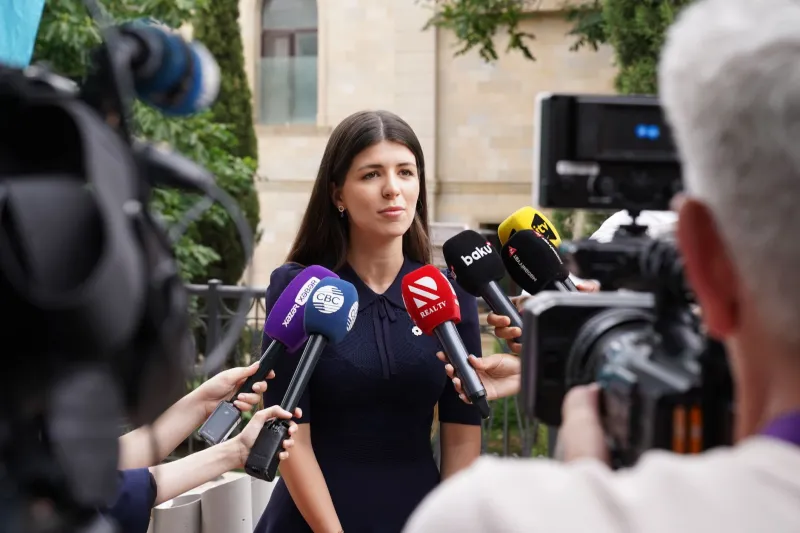
Let's set the scene. A celebrity has done something. We know what they did. They know what they did. Their team of seventeen people absolutely knows what they did. And yet, here we are, forty-eight hours later, watching them cry into a ring light while a ghost-written Instagram caption loads in three, two, one.
Welcome to the Apology Industrial Complex — where remorse is a content strategy, contrition is a revenue stream, and saying sorry has never been more lucrative.
The Consultants Are Already in the Group Chat
Here's something the general public tends to forget: by the time a celebrity apology reaches your eyeballs, it has been workshopped, stress-tested, focus-grouped, and approved by at least one lawyer. The crisis PR industry in the United States is worth somewhere north of three billion dollars annually, and a significant chunk of that money exists specifically to make famous people sound like they're having genuine human emotions on a schedule.
Crisis management firms — with names that sound like either law offices or yacht brands — specialize in what insiders call "narrative remediation." Which is a very expensive way of saying: we will tell you what to say, when to say it, and which shade of lip balm communicates appropriate humility without making you look like you gave up.
The playbook is remarkably consistent. First, go quiet for exactly long enough that people start wondering if you're okay. Then resurface via a trusted celebrity journalist — never a hard news outlet, always a profile piece — in which you describe the situation as "a really difficult time" and mention therapy unprompted. Post a black-and-white photo. Caption: something lowercase and vague. Engagement through the roof.
The Tearful Interview as Content Piece
Nothing in the apology cycle is more precisely engineered than the sit-down interview. These things are choreographed with the precision of a Broadway second act. The lighting is soft but not flattering enough to look like you're trying. The interviewer is sympathetic but not so sympathetic that it looks scripted — which it is. The celebrity will touch their own face at least twice, which body language consultants have apparently identified as the universal signal for "I am a person who feels things."
What's genuinely impressive is how the interview itself becomes a media event. Clips get parceled out in advance to maximize coverage cycles. A fifteen-second preview drops on a Thursday. The full interview airs Sunday. The "reaction to the reaction" content lasts through Wednesday. That's ten days of engagement off a single cry.
And then — right on cue — the comeback announcement. A new project. A partnership with a brand that signals personal growth. A podcast, because of course a podcast. The apology wasn't the ending. It was the setup.
Sympathy as an Engagement Metric
Social media platforms have made this whole machine significantly weirder, because now the apology doesn't just need to land emotionally — it needs to perform. Comments, shares, saves. The algorithm doesn't care whether your contrition is genuine. It cares whether people are watching.
This has created a fascinating perversion of human empathy. Apology posts routinely outperform regular content by factors of three or four. A celebrity confessing to something — anything — generates more engagement than a vacation photo, a brand deal, or a new song. Which means the PR teams have figured out that vulnerability, or at least the performance of it, is the single most effective content format available.
The logical endpoint of this is celebrities who are, functionally, apologizing on a content calendar. Not because anything particularly egregious occurred, but because a well-timed admission of a minor personal failing — "I wasn't always kind to my collaborators" — generates sympathy-driven follows and the kind of parasocial warmth that money genuinely cannot buy. Except that it can, because the consultant's invoice is already in the mail.
The Merch Drop You Didn't See Coming
Here's where it gets truly unhinged. The apology cycle has, in several documented cases, become a direct commercial opportunity. Limited-edition merchandise timed to a comeback. Book deals framed around personal accountability. Documentary series — streaming, always streaming — that reframe the scandal as a hero's journey.
One particularly creative crisis team reportedly advised their client to launch a charitable initiative timed to coincide with the apology news cycle, which simultaneously generated positive press, provided a tax benefit, and gave the client something to point to when the follow-up profiles ran six months later. That's not reputation management. That's vertical integration.
The audience, to be fair, participates willingly. We watch the interviews. We buy the books. We stream the documentaries. We argue in the comments about whether the apology was "enough," which keeps the engagement numbers climbing and the algorithm happy and the crisis consultant's phone ringing with the next client.
The One Thing Nobody's Apologizing For
The genuine irony here — and PageRatta loves an irony — is that the industrialization of the apology has made actual accountability nearly impossible to identify. When every expression of remorse has been optimized for maximum reception, when the tears have been lit and the captions have been approved, how do you tell the real thing from the content?
You probably can't. And neither can the celebrity, at this point. They've been coached so thoroughly on how to perform contrition that the performance may have fully replaced whatever original feeling existed. The consultant has done their job too well.
So the next time a public figure posts that lowercase caption — the one about growth, about learning, about being grateful for the journey — take a moment to appreciate the invisible army of professionals who made it possible. They worked very hard to make sure you feel something.
Whether any of it is real is, as they say in the industry, not the point.