Stressed, Subscribed, and Somehow Broker: How Silicon Valley Learned to Monetize Your Nervous Breakdown
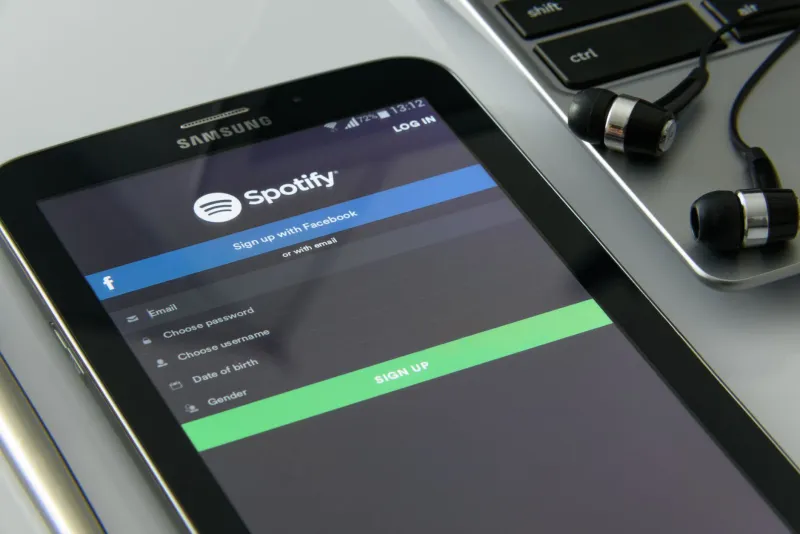
Let's set the scene. It's 11:47 p.m. on a Tuesday. You can't sleep because you're catastrophizing about an email you sent at 3 p.m. that ended with 'Thanks!' instead of 'Thank you!' — and whether that single punctuation choice has permanently altered your coworker's opinion of you. Your phone buzzes. It's Calm, reminding you to take a deep breath. You open the app. It asks if you'd like to upgrade to the Annual Premium Serenity Plan for $69.99. You stare at the ceiling. You are not calm.
Welcome to the Anxiety Economy — a multi-billion-dollar ecosystem built on the radical premise that your mental health is not a human condition to be supported, but a consumer vertical to be optimized.
Your Panic Attack Has a Price Tier
The numbers are genuinely staggering. The global mental wellness market is projected to crack $500 billion by the end of the decade. In the US alone, meditation and mindfulness apps generate hundreds of millions annually, therapy platforms like BetterHelp and Talkspace have raised eye-watering rounds of venture capital, and the supplement aisle at your local Target now dedicates roughly half its square footage to products promising to 'support stress response' — which is a legally safe way of saying 'we can't claim this fixes anxiety but boy does the packaging look therapeutic.'
The business model is elegant in its ruthlessness. First, you identify a population that is genuinely suffering — and Americans are, with anxiety disorders affecting roughly 40 million adults in the US each year. Then you rebrand that suffering as a lifestyle problem rather than a healthcare issue. Lifestyle problems, crucially, don't require insurance pre-authorization. They require credit cards.
Premium tier for unlimited journal prompts: $12.99/month. Coaching add-on with a 'certified wellness guide' whose credentials are somewhere between 'took a weekend course in Sedona' and 'has a really calming Instagram presence': $89/month. The flagship program that promises to rewire your nervous system in 30 days: $199, non-refundable, because the terms of service you definitely read specify that digital wellness content is non-returnable.
The Beautiful Paradox of Paying to Be Told to Slow Down
Here is where it gets philosophically delicious. The core product that virtually every one of these platforms is selling — the actual, stated value proposition — is simplicity. Breathe more. Do less. Be present. Quiet the noise. Unsubscribe from the things that drain you.
You are receiving this advice via a push notification from a company that employs growth hackers.
The irony would be funny if it weren't so expensive. The meditation app that tells you to step away from screens has engineered its notification cadence to maximize daily active users. The journaling platform that encourages you to 'sit with your emotions' sends you a winback email campaign if you haven't logged in for four days, subject line: Hey, we noticed you've been quiet. Everything okay? The therapy startup that runs ads about destigmatizing mental health also ran a 2023 marketing campaign that a Senate investigation described as, and I'm paraphrasing only slightly, 'aggressively targeting vulnerable people during moments of crisis.'
The product is peace of mind. The business model requires that you never quite achieve it.
Subscription Guilt Is Now a Mental Health Symptom
Perhaps the most deranged achievement of the Anxiety Economy is that it has found a way to make canceling feel psychologically dangerous. You've been with your mindfulness app for eight months. You've done maybe eleven sessions. It auto-renewed last month and you didn't notice until you checked your bank statement while already stressed about your bank statement.
You go to cancel. The app presents you with a screen that says: Are you sure? Research shows consistency is key to mental wellness. Taking a break may interrupt your progress.
You now feel guilty for trying to cancel your anxiety app. The anxiety app has given you new anxiety. This is a closed loop so perfect it belongs in a business school case study.
This phenomenon — where the friction of canceling a wellness subscription produces more distress than the subscription relieves — is so common it has spawned an entire secondary market of services that cancel subscriptions on your behalf. Which you can also subscribe to. For a monthly fee.
'Self-Care' Is Just 'Consumer Spending' in a Bathrobe
The linguistic pivot that made all of this possible was the wholesale capture of the term 'self-care.' Once a genuine clinical concept from nursing and mental health practice — the basic idea that patients should be active participants in maintaining their own wellbeing — self-care got a rebrand somewhere around 2015 and emerged on the other side meaning 'purchasing things that feel indulgent but are framed as necessary.'
A $68 adaptogen latte blend is self-care. A weighted blanket that costs more than your car payment is self-care. A quarterly subscription box containing a crystal, two tea bags, and a card that says 'You Are Enough' is, apparently, self-care — and also $45 plus shipping.
None of this is to say that therapy is bad, or that meditation doesn't work for some people, or that the weighted blanket isn't genuinely nice. It is. The blanket rules. The problem is the architecture surrounding these things — the VC-funded urgency, the premium tiers, the dark patterns, the relentless message that your baseline level of human stress is a problem requiring a paid solution rather than, say, a walk, a conversation, or a society that doesn't run entirely on performance metrics and notification badges.
So What Do We Do With This Information
Honestly? Probably nothing immediately actionable, because that's sort of the trap, isn't it? The Anxiety Economy has pre-absorbed the critique. There's already a $300 digital course about 'breaking free from hustle culture' sold by someone who hustled very hard to build their personal brand. The antidote is also a product.
What we can do is at least appreciate the audacity of the whole enterprise. Someone, in a glass-walled conference room, looked at the collective psychological suffering of millions of Americans and said: what if we put that in an app and charged monthly? And then someone else said: what if the free tier made them feel worse? And then they got funding.
Your anxiety is real. The people profiting from it are very much also real. The difference between those two things is a subscription you probably forgot you had.
Check your bank statement. Take a breath. The app will not be charging you for that one.