Namaste, But Make It a Gantt Chart: The Wellness Industrial Complex's War on Actual Rest
It is 5:14 a.m. on a Tuesday. Somewhere in a tastefully lit apartment, an influencer is already on her second glass of celery juice, seventeen minutes into her breathwork session, and about to begin the journaling portion of a morning routine that will consume the next three hours and forty minutes of her life before she has spoken to another human being or eaten actual food.
She calls this "prioritizing herself."
Her followers — 340,000 of them, many of whom work full-time jobs and have children and commutes — watch this content and feel two things simultaneously: inspired and like complete failures. This is not an accident. This is the business model.
The Routine as Religion
The modern wellness morning routine is a remarkable cultural artifact. It has taken the basic human activities of waking up, drinking something, and preparing for the day and transformed them into a multi-hour liturgy that requires equipment, supplements, subscriptions, and the kind of uninterrupted personal time that is functionally unavailable to most adults living in the actual United States.
A typical aspirational morning routine, as documented across TikTok, YouTube, and Instagram in 2024, includes some combination of the following: waking before 6 a.m. (ideally before 5), hydrating with something that costs more than coffee, journaling (three types, minimum), meditation (guided, at least 20 minutes), movement (yoga, Pilates, a run, or all three), a cold plunge or cold shower, reading something "nourishing," reviewing goals, and preparing a breakfast that requires a blender, a food scale, and at least four supplements whose names you cannot pronounce.
By the time this routine is complete, it is 9 a.m. and you are, theoretically, optimized. You are also exhausted, because you woke up at 4:45 to fit all of this in, and the cortisol spike from the cold plunge has worn off, and you still have to go to work.
The Supplement Stack as Status Symbol
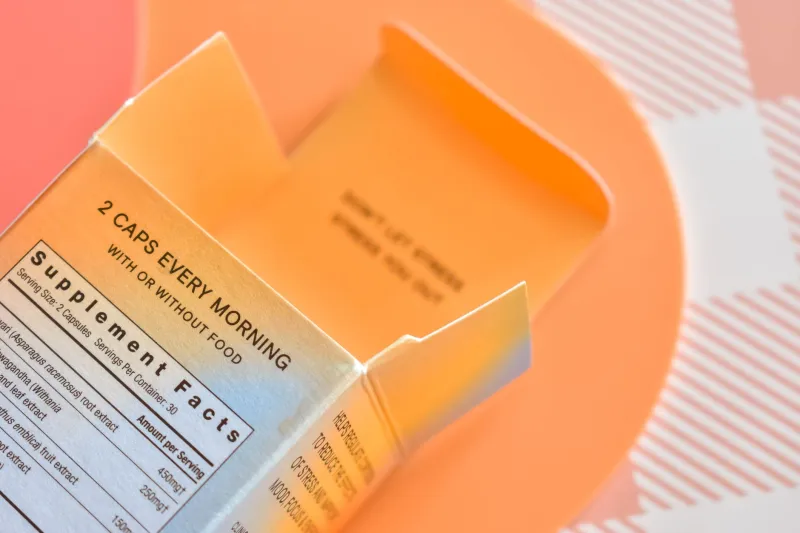
Nothing illustrates the wellness industry's particular genius quite like the supplement economy. In a previous era, a multivitamin and maybe some fish oil was considered a reasonable daily commitment to one's health. Today, a wellness-forward lifestyle requires a curated "stack" that can include: magnesium glycinate, ashwagandha, lion's mane mushroom, collagen peptides, CoQ10, NAD+ (injectable, if you're serious), a greens powder, a reds powder, a protein powder, and approximately four adaptogens whose precise function no one can agree on but which all sound like they were named by someone who took one semester of Latin.
The monthly cost of a full influencer-endorsed supplement stack runs somewhere between $150 and $600, depending on the brands involved. The scientific evidence supporting most of these combinations is, to put it charitably, preliminary. The aesthetic evidence — the flat-lay photos of amber bottles arranged artfully on a marble countertop — is, however, extremely compelling.
This is the wellness industry's core competency: making you feel that the absence of a product is itself a health risk. You're not sick. You're just under-supplemented. And the solution is available with free shipping on orders over $75.
The Planner Industrial Complex
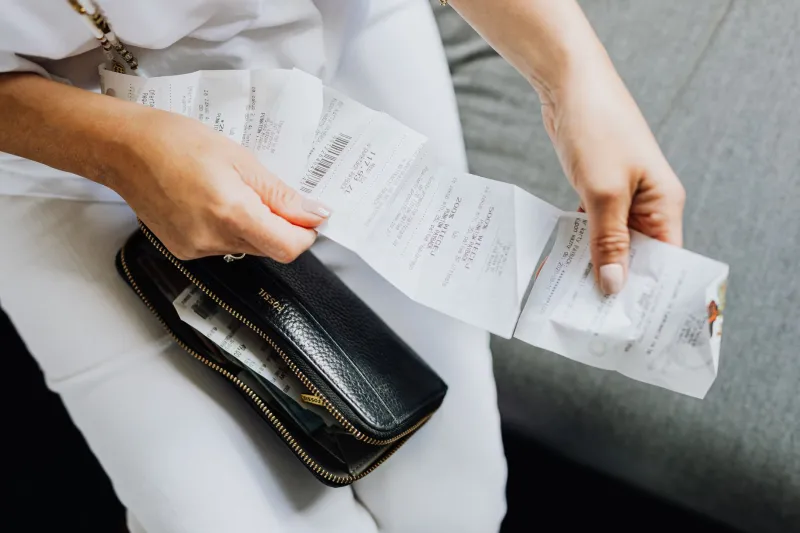
If the supplement stack is the wellness industry's most profitable creation, the branded planner is its most philosophically audacious one. The premise is this: you are overwhelmed and anxious, and the path to feeling less overwhelmed and anxious is to purchase a $65 journal with pre-printed sections for gratitude, intentions, "brain dumps," evening reflections, weekly reviews, and quarterly goal assessments — and then fill it out every day without fail.
The irony that scheduling your relaxation makes relaxation feel like a deliverable is not lost on everyone. But it is, apparently, lost on enough people that the market for "productivity-adjacent wellness" planners has grown into a nine-figure industry.
The most successful of these products are sold not as organizational tools but as transformation systems. You don't buy a planner; you begin a practice. The language is intentional. A practice implies commitment, ritual, and — crucially — the possibility of failure. If you skip a day, you haven't just missed a planner entry. You've broken your practice. You've let yourself down. The solution, naturally, is a new planner for the new quarter, because the old one carries the psychic weight of your inconsistency.
The Influencer Who Monetized Your Guilt
The people who have most successfully navigated this landscape are the wellness influencers who have positioned themselves not as perfect practitioners but as relatable strivers — women and men who openly discuss their anxiety, their bad days, their inability to stick to their routines, and then pivot directly to the supplement, planner, or program that helped them get back on track.
This is extraordinarily effective content strategy, because it sidesteps the alienation that pure aspirational content creates. You cannot relate to someone who has never struggled. You absolutely can relate to someone who struggled and then fixed it with a product that costs $89 and comes with a Facebook group.
The guilt-to-purchase pipeline in wellness content is shorter and more direct than almost anywhere else in the influencer economy. You watch someone describe the chaos of their mornings. You recognize your own chaos. They describe how a particular routine or product changed things. You feel the specific hope of someone who has been handed a map. You click the link in bio.
The fact that the map leads back to a store is, at this point, the oldest story the internet knows how to tell.
What Rest Actually Looks Like
Here is a thing that is true and that the wellness industry would very much prefer you not dwell on: actual rest does not require a subscription. Actual stillness does not require a diffuser, though a diffuser is a perfectly nice thing to own if you enjoy it. Actual peace of mind is not a morning routine you can optimize your way into — it is a complicated, non-monetizable state that is more closely related to therapy, community, financial stability, and sleep than it is to any adaptogen currently available on Amazon.
The wellness industry is not selling you wellness. It is selling you the performance of wellness, which is a different product entirely, and one that requires constant repurchase because the performance never quite feels convincing enough.
You will know you have fully escaped the wellness industrial complex on the day you sleep until 8 a.m., drink regular coffee, and feel, briefly, fine.
No planner required.