Twelve Dollars to Wander a Mall Where Nothing Is for Sale
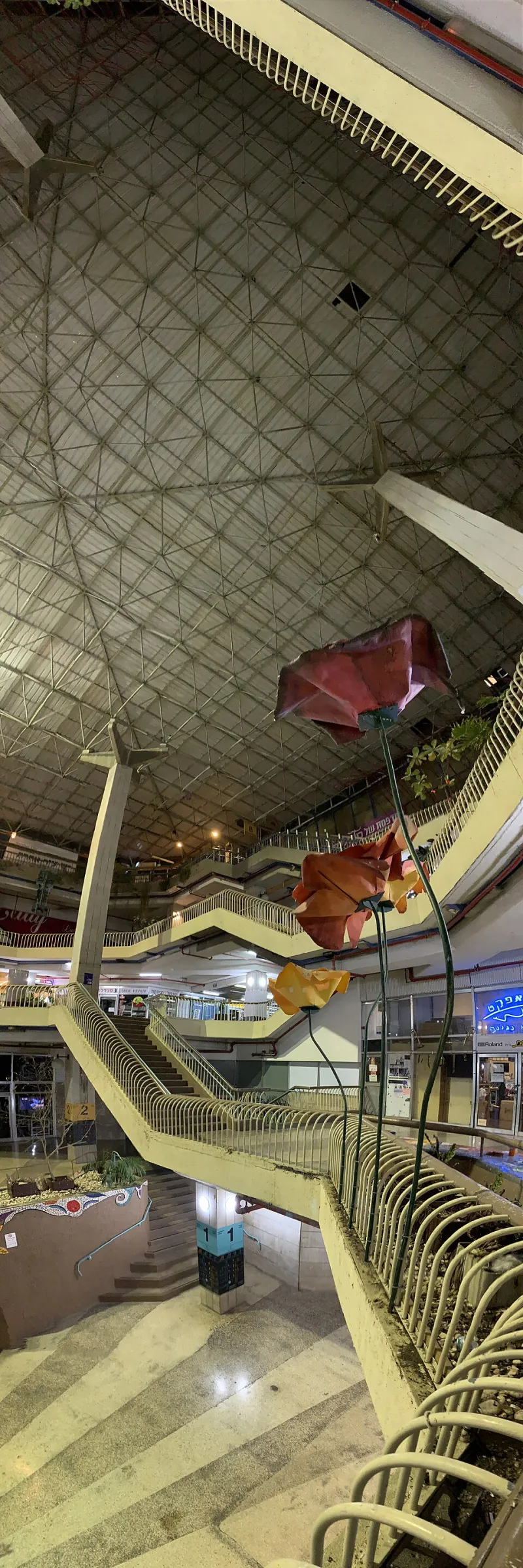
Photo: Yitzilitt, CC BY-SA 4.0, via Wikimedia Commons
The carpet is the first thing you notice. That specific carpet — the teal-and-mauve diamond pattern that every mall in America installed between 1987 and 1994 — is back under your shoes, and it is not original. It cost somebody about $40 a square foot to install, and you paid twelve dollars to walk on it.
Welcome to the dead mall, resurrected. Alive in the sense that its heart is no longer beating.
The Pitch: Shop Without Shopping
Somewhere along the way, a property developer looked at a hollowed-out 600,000-square-foot retail carcass and had a thought that would have been unthinkable a decade ago: what if we stopped pretending anyone wants to buy things here?
The new model isn't retail. It's a ticket window. You pay to enter a space that has been painstakingly restored to look like the place you used to enter by accident to buy a phone case and a pretzel.
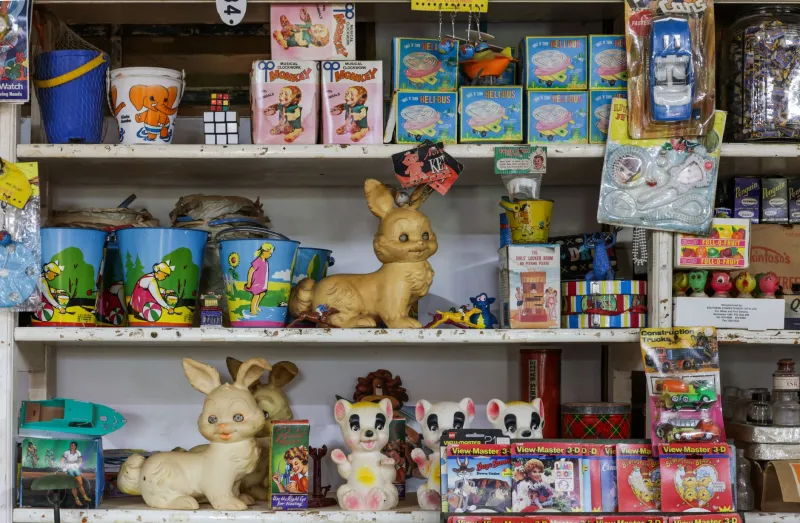
Inside, the tenants have been swapped for experiences. A retro arcade with cabinets older than the mall's plumbing. A food hall where the stalls are curated and the lighting is soft and the prices reflect that. Limited-run installations — a ball pit, a mirrored room, an inflatable something. A neon sign that says something vaguely nostalgic and grammatically optional. And, crucially, a lot of open floor suitable for photographing.
What's missing is the anchors. No department store at either end. No reason to walk the length. You are free to move in the space, but there's nothing at the end of it, which is honestly the most honest statement about American retail anyone has built since 2008.
The Business Model Is Strangely Logical
Malls struggled for a simple reason: the shops stopped paying. Foot traffic dropped, tenants left, and the only remaining occupants were the ones with leases nobody could break, plus a kiosk selling phone chargers and one aunt's candle stand.
Charging admission flips the economics. Instead of chasing tenants, you charge visitors. Instead of foot traffic as an input to sales, foot traffic is the product. The building becomes a venue, the nostalgia becomes the merchandise, and the food hall covers your per-head spend with something better than a clearance rack.
It helps enormously that the supply is cheap. Dying enclosed malls are plentiful and distressed, and a lot of them have municipal governments who are genuinely thrilled about any plan that doesn't involve demolition.
And it helps that the audience shows up. People in their thirties and forties will drive across a metro area to sit on a bench near a fake fountain and feel a feeling. That feeling has a name now, and an hour of it costs about what you'd spend on two coffees you didn't need — which is why the pricing holds.
What's Actually Being Sold
It isn't shopping. It's public space with the edges sanded off.
A real mall always made demands. It wanted you to buy something, or at minimum look like you might. Security eyed the teenagers. The kiosk people lunged. There was a whole grammar of who could sit where for how long.
The nostalgia version is friendlier. Chairs. Wide aisles. Staff who are paid to want you there. It is, functionally, the safest public interior in America, because it was engineered as a commercial product before anyone could use it for anything else.
That's the trick. Tickets filter out hassle. The lock on the door means no untreated social tension. You get the warmth of being around strangers in a large climate-controlled room without the ambient risk of a shopping center, the mall's original awkwardness having been stripped out along with the Sunglass Hut.
The Food Court, Minus the Buying
Food halls are doing the heavy lifting here, and they're doing it well enough to be worth noting separately from the nostalgia trap around them. Chefs love them because rent is lower and the build-out is shared. Owners love them because a single customer walking in for one thing passes eleven other things.
But notice what a food hall food court does to the memory. The old court was grim, fluorescent, and gloriously egalitarian: orange chicken next to cinnamon sugar next to a Cinnabon you could smell from the escalator. The new one is curated. Every stall has a concept. The chairs are wooden. Someone's serving a sandwich that costs what the whole tray used to.
It tastes better. It remembers worse.
The Limit Nobody Talks About
An experiential mall works beautifully as a novelty and stumbles as a habit. Nostalgia is a one-time transaction for most people — you go, you feel it, you take the photo, you don't necessarily renew. After the first visit, the appeal has to shift from memory to convenience, and convenience is a hard sell at twelve dollars a head.
Which is why so many of these places keep adding: more installations, more events, rotating pop-ups, a summer series, whatever the calendar permits. The building can't rely on the past, so it has to start putting on a show. That's not a mall anymore. That's a festival that happens to have a tiled fountain.
Still, there's something almost moving about watching Americans pay money to sit in a public room again. A mall never wanted your presence, exactly. It wanted your wallet's presence. The ticket window is at least honest about the transaction, and it comes with a bench.
Buy the ticket. Skip the pretzel. It's nine dollars, and it's not the same.